Join us for the Smart Buildings Exchange 2026!

Smart Buildings Center

Energy Efficiency Innovation Center, Tool Library & Data Visualization

  • About
    • Staff
    • Board of Directors
    • Contact
    • Donate
  • Partners
    • Partner Benefits
  • Tool Library
    • Browse Inventory
    • Case Studies
    • Lending Library Policy
    • Customer Agreement
    • Tool Resources
  • Use Our Space
    • Training/Event Space
    • Large Conference Room
  • Training
    • Building Operator Certification
    • Remote Learning Calendar
    • Remote Learning Library
    • Qualified Energy Manager Training
  • Resources
    • Clean Buildings Performance Standard Helpdesk
    • Building Efficiency and Clean Operations Network (BEACON) Fellow Project
    • K-12 Ventilation & Indoor Air Quality Resources
  • Compliance
    • WA State Clean Buildings Performance Standard (CBPS)
    • City of Seattle Benchmarking Helpdesk
  • Events
    • SBX Conference
  • Blog

Resilient, Healthy HVAC Doesn’t Have To Cost So Much

February 14, 2022 By SBC staff


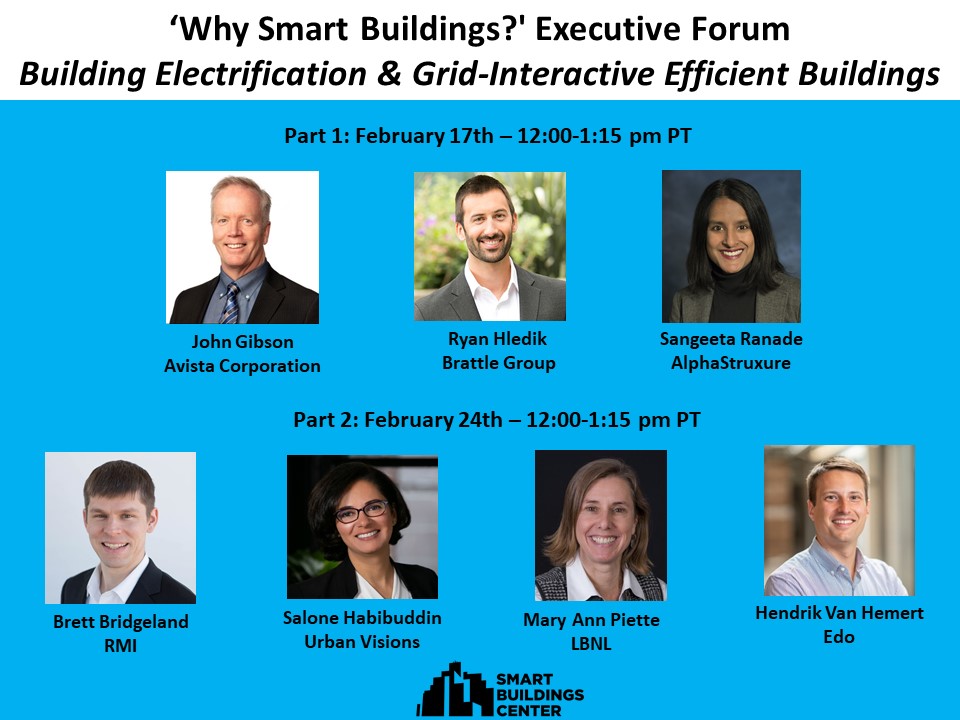
A recent study conducted by the Northwest Energy Efficiency Alliance (NEEA), Red Car Analytics (RCA) and the University of Oregon (UO) shows that commercial building operators can reduce the risk of viral spread by more than 25% with two steps: 1) increase ventilation rates by 217%, 2) add in-room filtration units. Unfortunately, most HVAC systems that can handle this increased ventilation and filtration will also dramatically increase HVAC energy usage.

Thankfully, according to the same study, there are higher efficiency HVAC solutions, such as very high efficiency DOAS, that can run efficiently under acute ventilation conditions while using 37% less energy than less efficient HVAC options. To learn more about this study and the ways building operators can adapt their HVAC approaches to foster healthy indoor environments without wasting energy, read the full article on NEEA’s BetterBricks.com.
Filed Under: Resources

Video Series: Lowering Commercial Buildings Emissions in King County

February 14, 2022 By SBC staff

Join the 2050 Project as we learn about what King County and Washington State are doing to help commercial buildings lower their environmental impact and save money. There are six episodes in this engaging and educational video series. Each episode examines a unique focus between commercial properties and sustainability. And different guests are introduced throughout the series that add a range of perspective to the story. Help us share this important message, and act alongside other community members so that King County and WA State can reduce more emissions from commercial properties.


Filed Under: Resources

Job Opportunites: Emerald Cities

February 14, 2022 By SBC staff

Community Engagement and Policy Manager
We are excited to be expanding in the Northwest, adding staff positions to our Economic Inclusion and Community Engagement work in order to bring clean energy opportunities to BIPOC communities. Please share these career opportunities with those who might be interested.

Apply here


Inclusion Manager – Minority Contracting

The Economic Inclusion Manager – Minority Contractor Development will implement policies, models and programs that advance Emerald Cities Collaborative’s mission with a focus on creating business opportunities and community wealth for Black and brown communities by leveraging investments in clean energy, affordable housing, and other infrastructure projects.

Apply here

Filed Under: Jobs

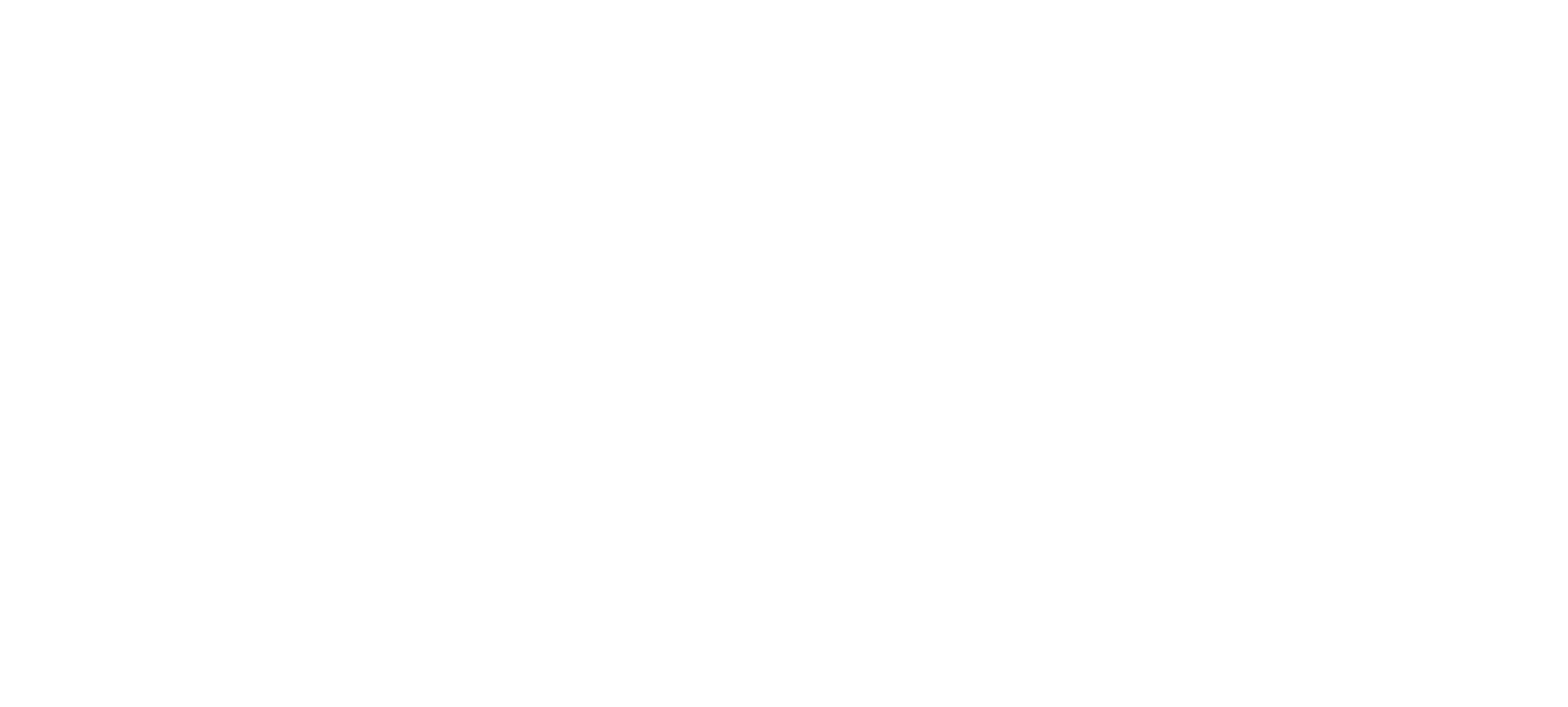
Don’t Miss ‘Why Smart Buildings?’ Executive Forum, Feb 17th & 24th

February 2, 2022 By SBC staff

Building Electrification & Grid-Interactive Efficient Buildings

Thursday, February 17th & 24th
12:00 – 1:15 pm PT
Register Here!

Certainly, increasing building electrification (BE) is a critical step toward decarbonization of the built environment. The specific steps to achieve BE are somewhat less certain. Replacing carbon-emitting fossil fuel appliances with clean electric sources is the easy answer, but as usual there are lots of complexities in making this happen in both commercial and residential buildings – new and existing. During the Smart Buildings Exchange (SBX) 2021 virtual conference, two technical sessions on grid-interactive efficient buildings (GEBs) highlighted the potential values of deploying dynamic two-way communication capacity in buildings to both the electric utility system and building owners and managers. This two-way communication can automate load shifting, shedding, and modulating and improve a utility’s capacity, resiliency, and cost. Building on the SBX 2021 conversations, this two-part Executive Forum discussion will link the efforts around BE to successful widespread deployment of GEBs.

Part 1 of this series will bring together expertise from the policy, regulatory, ratemaking, and utility industries to discuss their view on what must change from current practice to ignite a robust market for GEBs. Like most SBC events, this Executive Forum will be structured as an extemporaneous discussion between panelists (with a twist – see note on format below). Sure to be a dynamic and engaging discussion, this panel will tackle issues such as:

  • Building electrification – the role that GEBs need to play to allow for optimizing utility capacity management/coincident peak management (the context being, can building electrification succeed without some form of GEBs)
  • Grid modernization – everyone agrees that it needs to happen and that it will be expensive. Do GEBs offer a least cost approach to modernization that will enhance reliability/resilience?
  • Are GEBs a complement to the Northwest’s emerging energy imbalance market – are the two compatible?
  • Why aren’t GEBs evaluated as a resource in the 8th Power Plan?
  • Are GEBs more realistic/helpful to the utility system in the residential or the C/I sector?
  • What scale is necessary for GEBs to be a real solution?
  • What rate reforms are needed to make GEBs work?
  • What policy/regulatory reforms are needed to make GEBs work?

Part 2 of this series will feature a panel drawn from the communities of building owner/manager, developer, service provider and research institutions to discuss the market side of this equation. Of course, there has to be a market-based value proposition for the BE-GEBs solution to decarbonization and this group will take that question head-on. Again, expect a dynamic conversation amongst the panel addressing core issues, such as:

  • Who is responsible for triggering market adoption – utility-customer-third party-government/regulator?
  • Will dynamic rate structures be sufficient to move the market or are some types of financial incentives also needed?
  • Are GEBs only realistic for new construction?
  • If the future of commercial buildings is variable occupancy does this help or hurt GEBs deployment?
  • How critical is the inevitability of EV charging to GEBs?

This FREE two-part virtual series is targeted to building owners/managers, developers, utilities, service providers as well as those with interest in or responsibilities for policy and regulatory changes related to decarbonization.

Ever been frustrated that your question didn’t get addressed by a panel because they ran out of time? Submit your questions ahead of time during registration and we will tailor the conversation to match your information needs!

Register Here!


Filed Under: 'Why Smart?' Events, Webinars

Meeting Water & Energy Saving Goals in King County Webinar Recording & Resources

February 2, 2022 By SBC staff

If you missed the Meeting Water & Energy Saving Goals in King County: Sustainable Energy Solutions & Innovative Financing Options webinar last week you can watch the recording and view the slides and program resources at the links below. Thank you to King County, the Saving Water Partnership, and Seattle City Light for presenting!

  • Webinar recording
  • Webinar slides
  • King County C-PACER Program
  • King County Sewer Heat Recovery
    • White paper showing the energy value of Sewer Heat Recovery technology
  • Saving Water Partnership
  • Seattle City Light Energy Efficiency Program Tools & Resources
  • Smart Buildings Center Tool Lending Library

Filed Under: Resources, Webinars

Seattle Joins White House National Building Performance Standards Coalition

January 25, 2022 By SBC staff

The City of Seattle joins 32 other local governments in a new White House-launched collaboration to reduce building energy use and make our communities better. Learn more at: https://www.whitehouse.gov/briefing-room/statements-releases/2022/01/21/fact-sheet-biden-harris-administration-launches-coalition-of-states-and-local-governments-to-strengthen-building-performance-standards/

Seattle is on the path to dramatically reduce fossil fuel use in buildings over the next decade and power more of our lives, homes, and buildings with renewable energy. Learn more: www.nationalbpscoalition.org ????️⚡️

Filed Under: Uncategorized

Posts pagination

Previous Page 1 … Page 17 Page 18 Page 19 Page 20 Page 21 … Page 48 Next

Help fund our Education Program

DONATE TODAY

Sign up for updates

Join the Smart Buildings Center mailing list for information about events and smart buildings news.

Your email has been added to the Smart Buildings Center mailing list for information about events and smart building news.

News & Articles

Happening This Week at the Smart Buildings Center: Behind the Benchmarking Help Desk: Meet Jessica Cherry and Shino Severson

August 14, 2026

Smart Buildings Center July Wrap-up

August 12, 2026

SBC Announces 2026 BOC Operator of the Year!

August 11, 2026

SBX 2026 Keynote Announcement & Early-Bird Deadline (8/15)

August 7, 2026

Happening This Week at Smart Buildings Center: BOC earns Energy Skilled Recognition from DOE

July 31, 2026

Contact Us

Smart Buildings Center
Pacific Tower
1200 12th Ave. S., Suite 110
Seattle, WA 98144

206-538-0832

[email protected]

Smart Buildings Center is a project collaboration with Building Potential


Smart Buildings Center · Pacific Tower, 1200 12th Ave. S., Suite 110, Seattle, WA 98144 · 206-538-0832

© 2026 · Northwest Energy Efficiency Council